


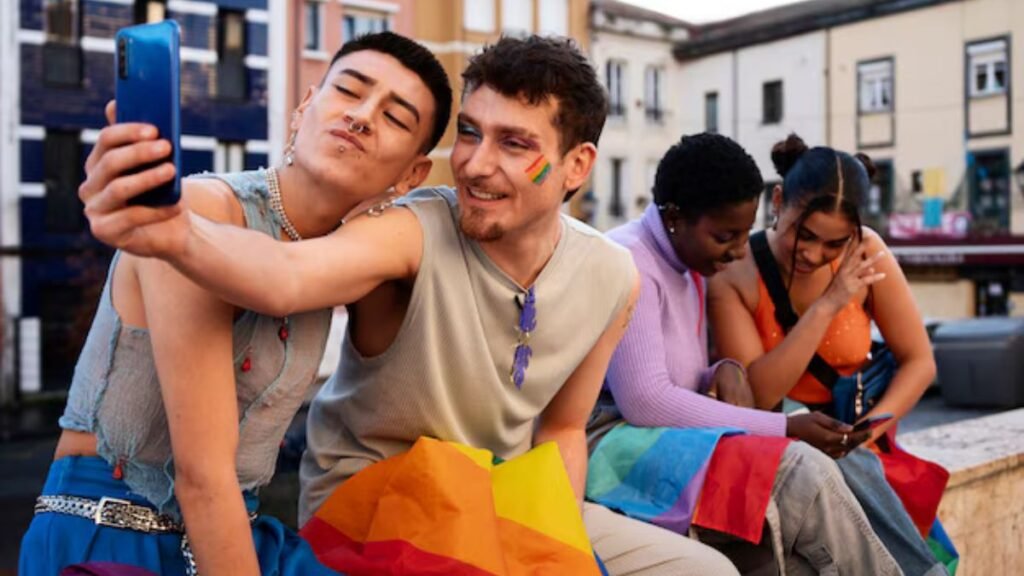
Starting a business is challenging. You’ll need tenacity, resilience, and a good game plan. But let’s be honest: if you’re a person of colour, LGBTQ+, or have a handicap, the journey becomes much more difficult. The challenges are more than just financial or logistical; they are social, structural, and deeply embedded in the entrepreneurial scene.
So, how do you negotiate this area while balancing the weight of intersectionality? Let’s look at the obstacles, accomplishments, and methods that assist marginalised businesses not just survive, but thrive.
The reality of intersectionality in entrepreneurship
First, let’s define intersectionality. Kimberlé Crenshaw coined the concept, which emphasises how many facets of identity—race, gender, sexual orientation, and disability—intersect, resulting in distinct experiences of discrimination or advantage. In entrepreneurship, this manifests itself in financial discrepancies, networking barriers, and insufficient representation.
For example, a Black LGBTQ+ entrepreneur with a handicap faces several challenges, not just one. Society’s unconscious prejudices do not neatly divide these identities; they overlap, making the trip more difficult.
The funding gap is a major hurdle
Money drives the corporate world, but not everyone has equal access to finance. Venture capital (VC) firms continue to favour white, male-led enterprises.
- Race Factor: Black and Latinx businesses receive less than 2% of VC investment.
- LGBTQ+ Lens: LGBTQ+ creators frequently fear prejudice while pitching, prompting some to conceal their identity.
- Disability Dilemma: Investors may mistakenly believe that handicapped entrepreneurs cannot meet the demands of running a firm.
So what is the solution? Alternative financing sources include grants, crowdsourcing, and impact investors who prioritise diversity. Programs like Backstage Capital and the Disability Inclusion Fund are making progress, but there is still more work to be done.
Another viable alternative is community-based investment programs. Many under-represented entrepreneurs are resorting to mutual assistance networks, business incubators, and microfinance programs to help firms that serve marginalised areas.
Furthermore, government grants and programs might offer crucial funding. Programs like the Small Business Administration’s (SBA) efforts for minority, LGBTQ+, and disability businesses can be game changers, but they sometimes need substantial paperwork and patience.
The Networking Struggle: Getting into Exclusive Circles
Entrepreneurship is more than simply having a fantastic concept; it is also about who you know. What’s the hard truth? Traditional networking environments are typically hostile to marginalised identities.
- Industry gatherings: Industry gatherings are inaccessible, whether via physical barriers for handicapped entrepreneurs or a lack of visibility for LGBTQ+ founders.
- Mentorship bias: Many seasoned investors and mentors have an unconscious preference for individuals who look like them.
- Comfort zone factor: Marginalised entrepreneurs frequently feel out of place in mostly white, heterosexual, able-bodied networking environments.
But things are changing. Organisations such as Lesbians Who Tech, Black & Brown Founders, and Diversability are fostering inclusive environments in which entrepreneurs may connect, cooperate, and thrive.
One approach is to create your own network. Many marginalised entrepreneurs succeed by starting their own networking networks, both online and offline. LinkedIn groups, Twitter communities, and startup Slack channels may help you make meaningful relationships without the limitations of conventional in-person networking.
Another strategy is to work with allies. Building partnerships with firms that actively promote diversity can lead to more inclusive business prospects.
Representation: Seeing is believing
When you don’t see individuals who look like you in positions of leadership, it’s easy to feel excluded.
- The media narratives continue to favour a certain sort of entrepreneur—the world’s Mark Zuckerbergs and Elon Musk.
- Role models matter: The success of entrepreneurs such as Arlan Hamilton (Backstage Capital) and Haben Girma (a deafblind lawyer and disability rights campaigner) demonstrates that different creators can thrive.
- Representation boosts confidence: When young aspiring entrepreneurs witness successful company leaders with similar identities, they are more likely to take the plunge themselves.
Visibility in company awards, accelerator programs, and media spotlights can also have a significant impact.
Strategies for Thriving Despite Barriers
So, how can entrepreneurs from marginalised backgrounds succeed? Here are a few actionable steps:
Use Niche Communities: Join communities established exclusively for under-represented businesses. These locations provide resources, mentorship, and financing options.
- Examples include StartOut (for LGBTQ+ creators), The Visible creators Project (for BIPOC businesses), and The National Disability Institute.
Seek Alternative investment: Rather of depending on typical venture capital investment, consider
- Crowdfunding portals such as Kickstarter and Indiegogo.
- Organisations that foster business diversity provide grants.
- Impact investors prioritise social good above profit.
Own Your Narrative: Your unique experiences provide a fresh viewpoint. Use storytelling to engage with your target audience, investors, and consumers.
- Authenticity sells. People like brands with powerful, personal stories.
- Social media and content marketing may help you magnify your message and grow a devoted consumer base.
Prioritise Self-Care: Entrepreneurship may be stressful, especially when combined with prejudice. Mental health should be a priority.
- Therapy, support groups, and self-care habits can all assist to build long-term resilience.
- Setting limits and taking a step back when necessary is perfectly acceptable. Burnout benefits no one.
Be Visible: Representation begins with you. Share your experiences, speak at events, and mentor others. The more various perspectives that join the entrepreneurial sphere, the more inclusive it becomes.
- Podcasts, TED Talks, and business panels are excellent ways to share your experience and encourage others.
Use Technology to Your Advantage: Digital platforms have levelled the playing field in several ways.
- E-commerce, remote employment, and internet services have generated new options that are not based on traditional company structures.
- Social media networks offer free marketing and direct contact to clients.
Entrepreneurship should be about creativity, enthusiasm, and producing value, not about overcoming unneeded obstacles. However, until the playing field is fully balanced, marginalised businesses will continue to encounter unique obstacles.
What is the good news? Change is occurring. More diverse investors, inclusive funding choices, and supportive communities are emerging to help overcome hurdles.
If you’re a person of colour, LGBTQ+, or living with a handicap, you should know: Your road may be more difficult, but your viewpoint is powerful. The world relies on your ideas, enterprises, and leadership. Continue pushing, creating, and paving the path for the next generation of diverse entrepreneurs.
Your achievement benefits everyone who follows in your footsteps.
With the correct strategy, support, and resilience, marginalised entrepreneurs can and will succeed. The future of business is diverse, inclusive, and full of opportunities. Now is the moment to take a place at the table—or better yet, create your own.
Also read: Reese Witherspoon: The Powerhouse Behind Hollywood’s Female-Led Revolution


